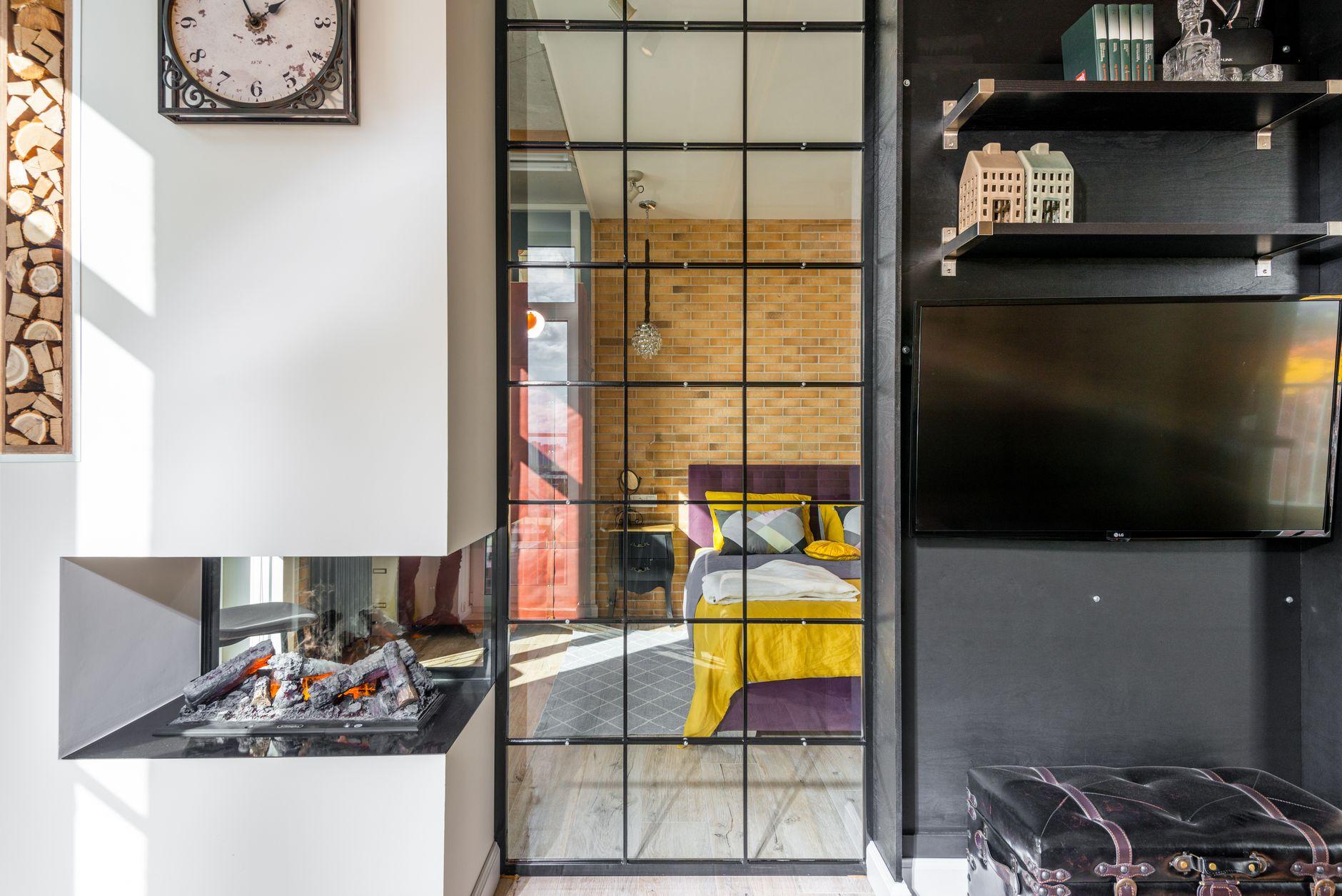
The living room photo problem
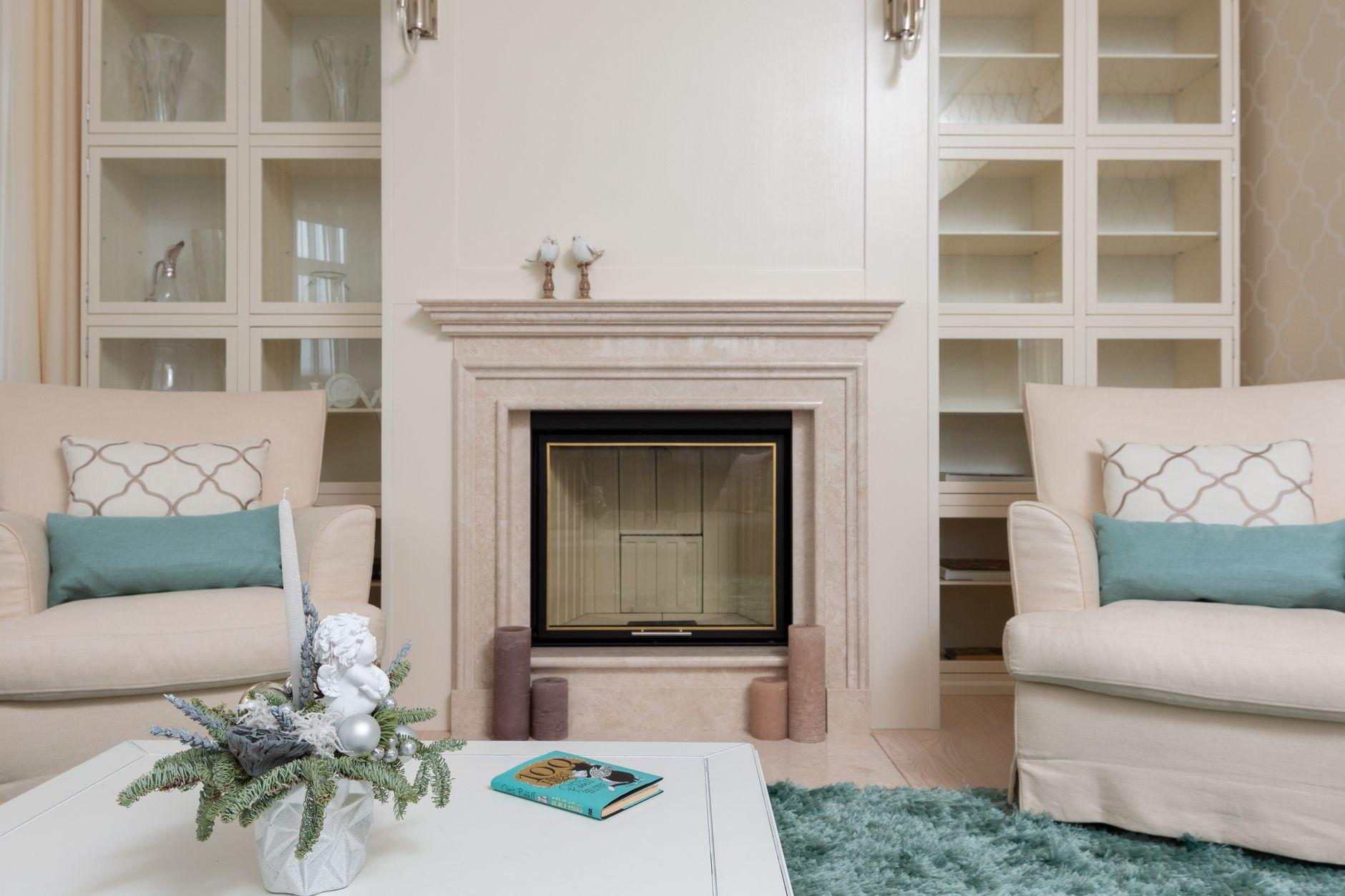
Listing photographers shoot the living room from the corner that shows the fireplace. If that fireplace has smoke-stained brick, a cracked hearth, or a dated surround from a remodel decades ago, it is the first thing a buyer's eye lands on. Sellers in South Pasadena ask us the same question often: is it worth doing something about it before the house goes on the market, and if so, what?
There are three realistic answers: leave it and clean it, remodel the face, or put in a gas insert. Each costs a different amount and solves a different problem.
Option one: clean, repair and leave the look alone
For many houses, especially Craftsman and period homes where the original brick or tile is part of the appeal, the right move is not a remodel. It is a deep clean of the firebox and face, repair of any broken firebrick or hearth tile, and a sweep of the flue so the inspection report is clean.
A chimney sweep is from $420. Fireplace repair, such as relaying firebrick or resetting a loose hearth, is quoted in writing after a look. This is the lowest-cost path and often the one that photographs truest to the house.
It does not help if the fireplace itself is unsafe to use or if the flue has a problem. That is why the inspection comes before any of these choices.
Option two: remodel the face
A fireplace remodel changes what you see in the room: a new surround in stone, tile or plaster, a new hearth, sometimes a new mantel. It suits houses where the existing face is clearly dated and does not match the rest of the interior.
What decides the price:
- the size of the face and how far up the wall the new surround runs;
- the material, from plain plaster to cut stone;
- whether the old surround comes off cleanly or is bonded to the brick behind it;
- the hearth: overlay, replace, or extend to meet clearance requirements;
- whether the firebox itself needs repair before the new face goes on.
Remodels are quoted in writing after an on-site look, because no two faces come apart the same way. A remodel does not change how the fireplace works. If the flue has cracked tiles, the new surround will sit in front of a fireplace that still fails a buyer's Level 2.
Option three: a gas insert
A gas insert is a sealed firebox that slides into the existing masonry opening, with its own glass front and a vent run up the chimney. In an existing fireplace, installed, it runs $2,800 to $5,600 here, depending on the unit, the size of the opening and how the gas line reaches it.
An insert does two things for a sale. It gives the living room a clean, modern focal point. And because it is vented through a new liner, it takes an old masonry flue out of the inspection conversation. The liner is part of the install, sized to the unit.
What it does not do: suit every buyer. Some buyers of older homes want a wood-burning fireplace and will see an insert as a loss. Ask your agent which buyers are likely to look at the house before choosing this path.
If there is no fireplace where one is wanted, adding a direct-vent gas unit where no fireplace stands runs $4,450 to $8,950. That is rarely a pre-listing project, but sellers sometimes ask.
Side by side
| Path | Cost | Suits |
|---|---|---|
| Clean, sweep, repair | Sweep from $420; repairs quoted in writing | Period homes with original brick or tile |
| Remodel the face | Quoted in writing after a look | Dated surround that clashes with the house |
| Gas insert | $2,800 to $5,600 installed | Flue problems, or buyers who want gas |
The inspection that sorts this out is a Level 2, $390. Its findings often make the choice for you. A clean flue opens all three paths. A cracked flue rules out option two on its own and points toward either a liner or an insert.
What to do this week, and what can wait
This week: book the inspection. Nothing else should be ordered until you know the condition of the flue.
After the report: if the flue is sound and the face is dated, a remodel or a careful clean is the next decision. If the flue has problems, the insert or a liner installation comes first, and any face work follows.
What can wait: gas log sets, new screens and tools, mantel styling. Stagers handle those, and buyers often want their own.
Seismic and safety notes for older chimneys
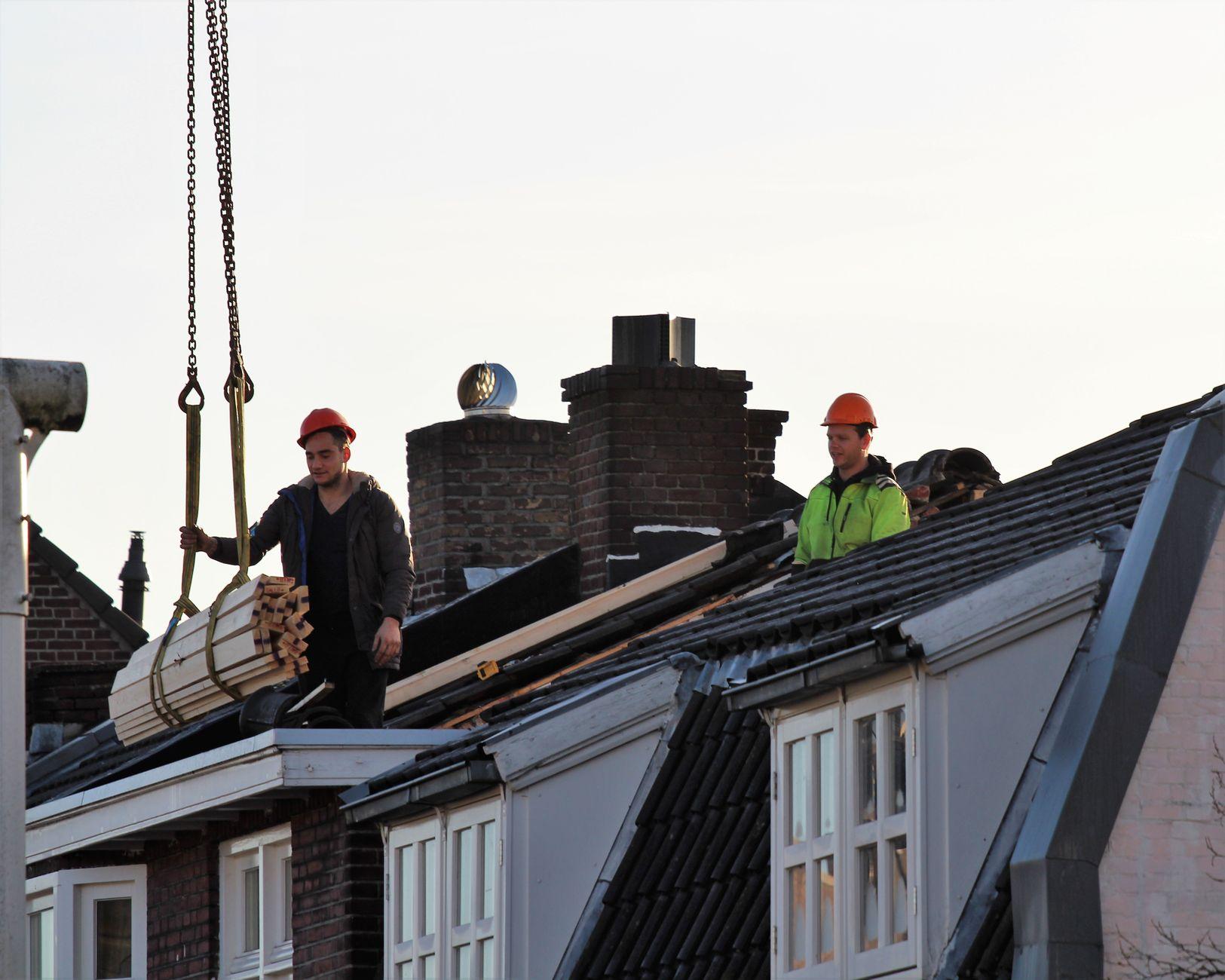
On unreinforced brick chimneys, a remodel of the face is a good moment to ask about the stack above the roof. Bracing, steel straps tied to the framing, or a rebuild from the roofline in lighter materials are all options for a seismic retrofit. Buyers in Los Angeles County often ask about it, and a quote in the packet answers the question.
Book the visit
Ewing Chimney Company handles inspections, fireplace remodels and insert installs from South Pasadena across Los Angeles, El Monte and Montebello. The pre-listing inspection cost guide has more on the first visit. To start, call using the button on this page and say which room the fireplace is in and when the photographer is booked.
Getting the House Ready to List?
Ewing Chimney Company inspects chimneys for South Pasadena sellers before the buyer's inspector arrives. Call to book, and every finding comes back sorted, photographed and priced in writing.